
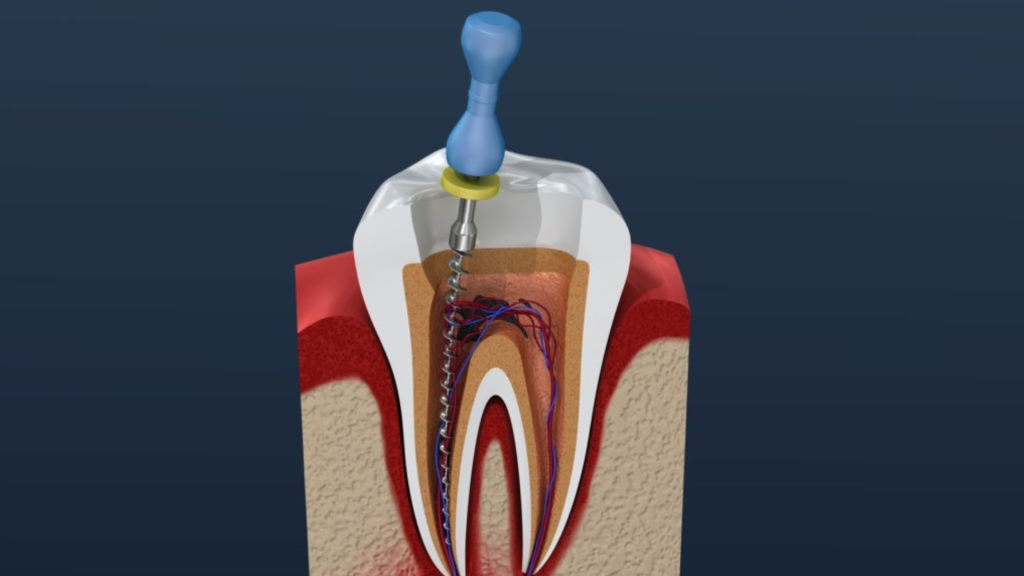
A dental root canal is a common and highly effective dental treatment used to save a severely infected or damaged tooth. Many people fear root canal treatment, but modern dentistry has made the procedure safe, painless, and comfortable.
In this article, you will learn what a dental root canal is, why it is needed, its step-by-step procedure, benefits, risks, aftercare, cost, and FAQs.
What Is a Dental Root Canal?
A root canal is a dental procedure used to remove infected or damaged pulp from inside a tooth. The pulp contains nerves, blood vessels, and connective tissue. When this pulp becomes infected due to decay, cracks, or trauma, it can cause severe pain and swelling.
Root canal treatment cleans the inside of the tooth, disinfects it, and seals it to prevent further infection, allowing you to keep your natural tooth.
Why Is a Root Canal Needed?
A root canal is needed when the tooth pulp becomes infected or inflamed due to:
Common Causes of Root Canal Infection
-
Deep tooth decay
-
Repeated dental procedures on the same tooth
-
Cracked or chipped tooth
-
Injury or trauma to the tooth
-
Untreated cavities
If left untreated, the infection can spread to the jawbone and cause tooth loss.
Symptoms That Indicate You May Need a Root Canal
Common Signs and Symptoms
-
Severe toothache while chewing
-
Sensitivity to hot or cold
-
Swollen or tender gums
-
Darkening of the tooth
-
Pus or abscess near the tooth
-
Persistent bad breath
If you notice these symptoms, consult a dentist immediately.
Step-by-Step Dental Root Canal Procedure
Modern root canal treatment is usually completed in one or two visits.
Step 1: Dental Examination and X-Ray
The dentist examines the tooth and takes an X-ray to check the extent of infection.
Step 2: Local Anesthesia
Local anesthesia is given to numb the tooth and surrounding area, making the procedure painless.
Step 3: Removing the Infected Pulp
The dentist creates a small opening in the tooth and removes the infected pulp using special instruments.
Step 4: Cleaning and Disinfection
The root canals are thoroughly cleaned, shaped, and disinfected to remove bacteria.
Step 5: Filling the Root Canals
The cleaned canals are filled with a biocompatible material called gutta-percha and sealed.
Step 6: Tooth Restoration
A dental filling or crown is placed to restore strength and protect the tooth.
Is Root Canal Treatment Painful?
No. Root canal treatment is not painful due to modern anesthesia and techniques. Most patients feel relief from pain after the procedure rather than discomfort.
Mild soreness may occur for a few days, which can be managed with painkillers.
Benefits of Dental Root Canal Treatment
Key Advantages
-
Saves your natural tooth
-
Eliminates tooth pain and infection
-
Prevents spread of bacteria
-
Restores normal chewing function
-
Improves oral health and smile
Root canal treatment is often better than tooth extraction.
Risks and Complications of Root Canal Treatment
Although root canals are safe, some rare risks include:
-
Incomplete removal of infection
-
Cracked tooth if crown is not placed
-
Reinfection if restoration fails
Regular dental follow-ups help prevent these issues.
Aftercare Tips After a Root Canal
How to Take Care of Your Tooth
-
Avoid chewing hard foods for a few days
-
Maintain good oral hygiene
-
Take prescribed medications
-
Visit your dentist for crown placement
-
Avoid sticky or hard foods
Proper care ensures long-term success.
How Long Does a Root Canal Last?
With proper care, a root canal-treated tooth can last 10–20 years or even a lifetime. Placing a crown significantly increases durability.
Cost of Dental Root Canal Treatment
The cost depends on:
-
Tooth location (front, premolar, molar)
-
Severity of infection
-
Dentist’s expertise
-
Country or city
On average, root canal treatment costs less than tooth extraction and replacement.
Root Canal vs Tooth Extraction
| Root Canal | Tooth Extraction |
|---|---|
| Saves natural tooth | Removes tooth |
| Maintains jaw structure | Causes bone loss |
| Better long-term solution | Requires implant or bridge |
Dentists usually recommend root canal whenever possible.
Frequently Asked Questions (FAQs)
Is a root canal safe?
Yes, root canal treatment is a safe and routine dental procedure.
How long does the procedure take?
Usually 60–90 minutes per session.
Can a root canal fail?
Rarely, but failure can happen if infection returns. Retreatment is possible.
Do I need a crown after root canal?
Yes, especially for back teeth, to prevent fracture.
Conclusion
A dental root canal is an effective treatment to save infected teeth, relieve pain, and restore oral health. With modern technology, the procedure is comfortable, safe, and long-lasting. Early treatment can help you avoid complications and maintain a healthy smile.
If you experience tooth pain or sensitivity, consult a qualified dentist as soon as possible.